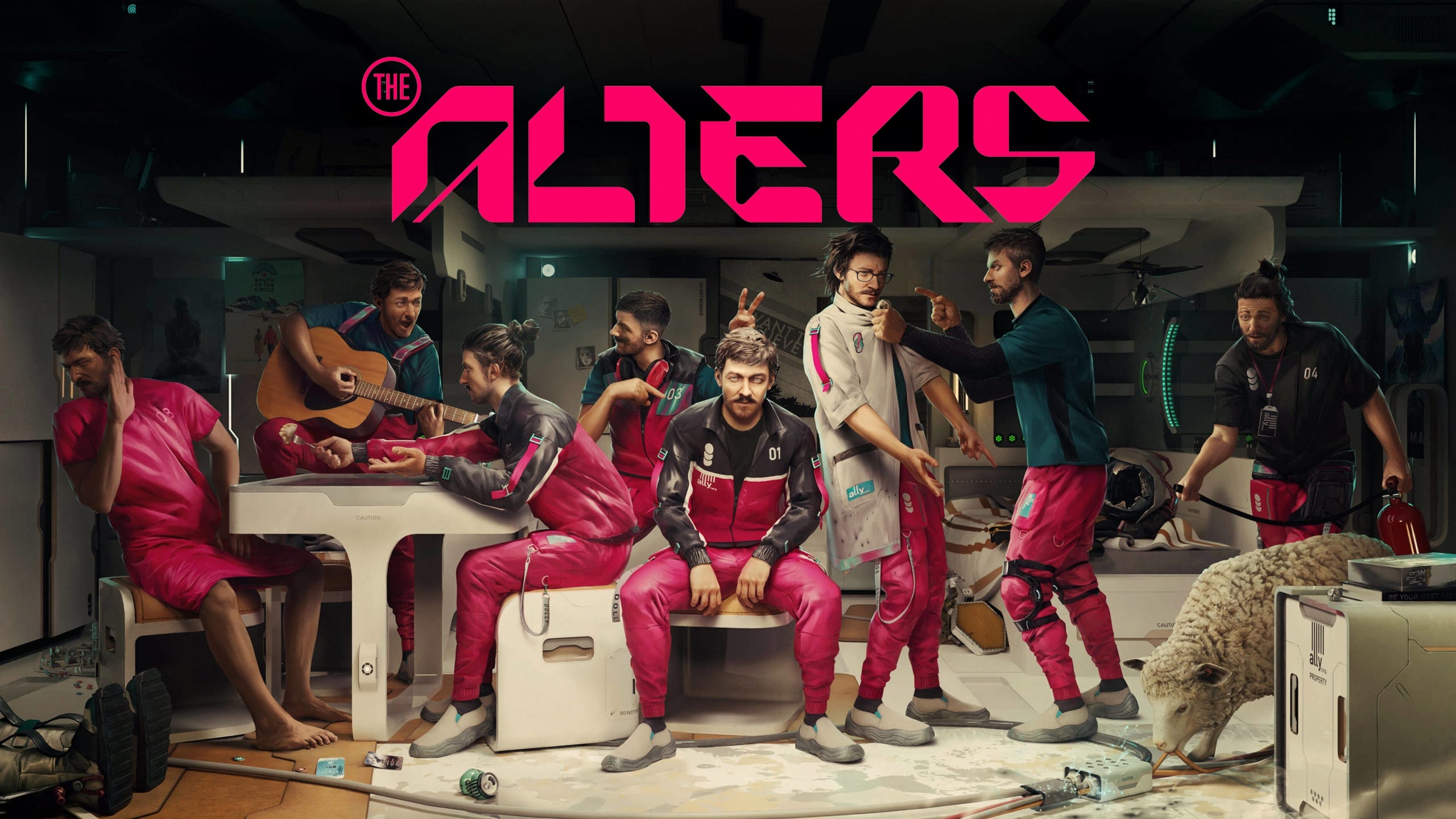
The Alters
Monet, sci-fi and the Talmud

I first heard about The Alters from a video. I was pulled in by the way the UI looked.
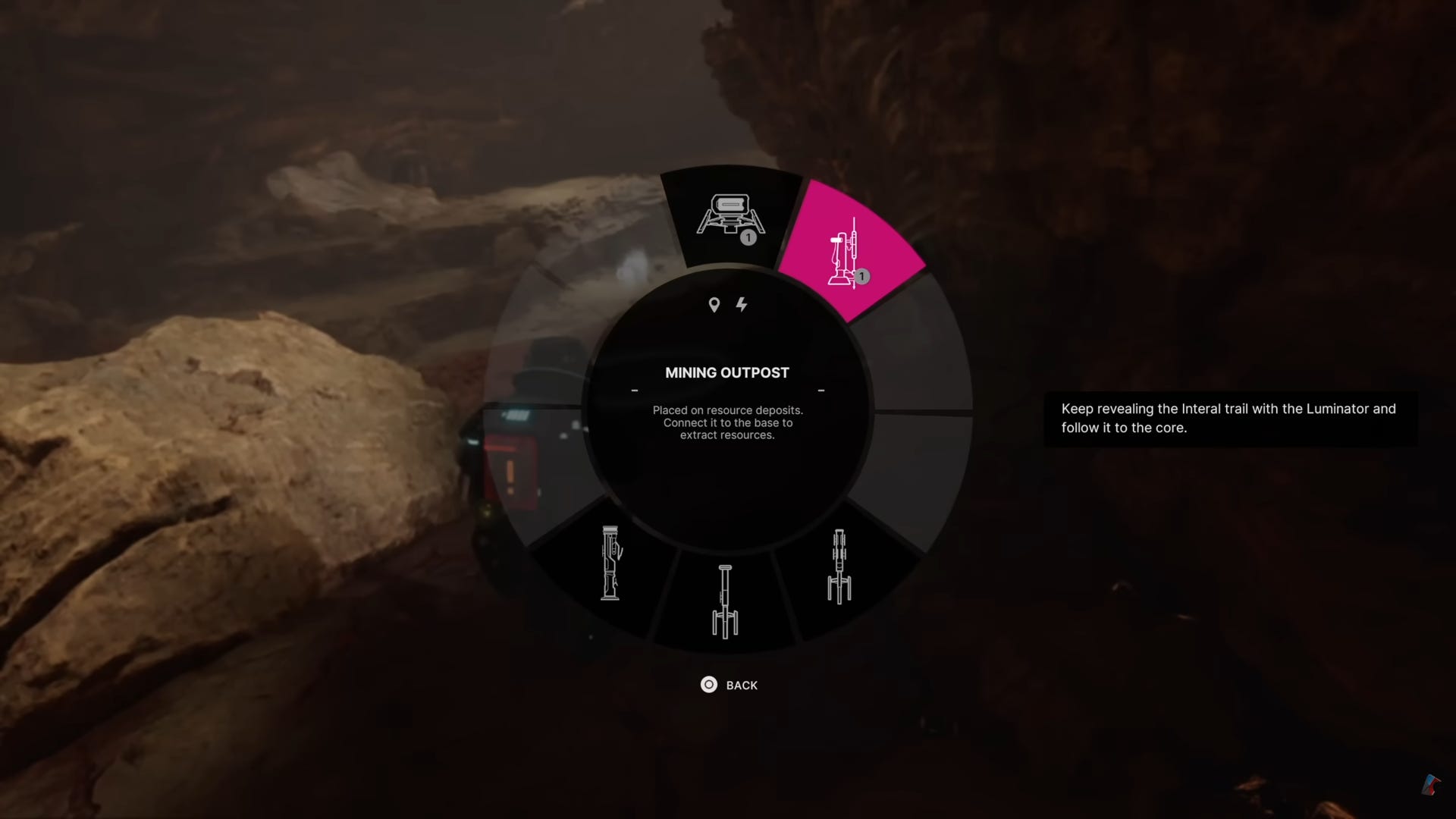
I am fascinated by UI in videogames, and the glimpse at a few seconds of gameplay (and above all that nested pie menu) grabbed me immediately.
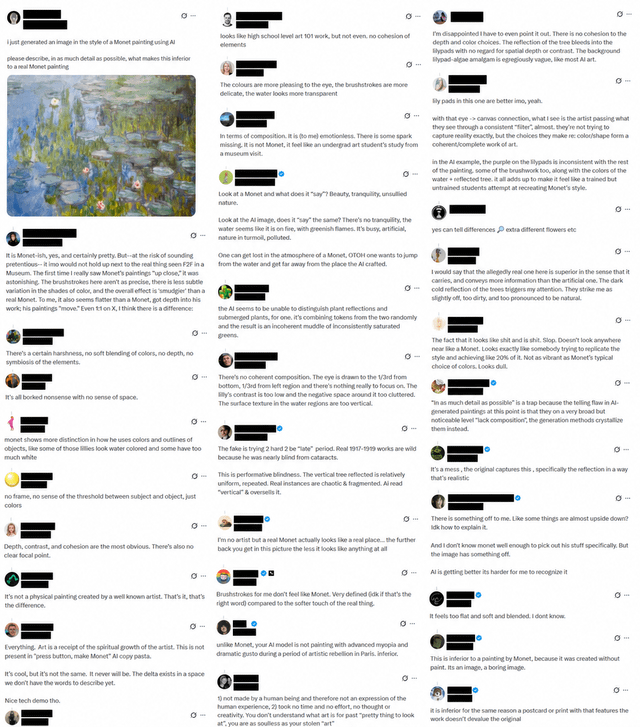
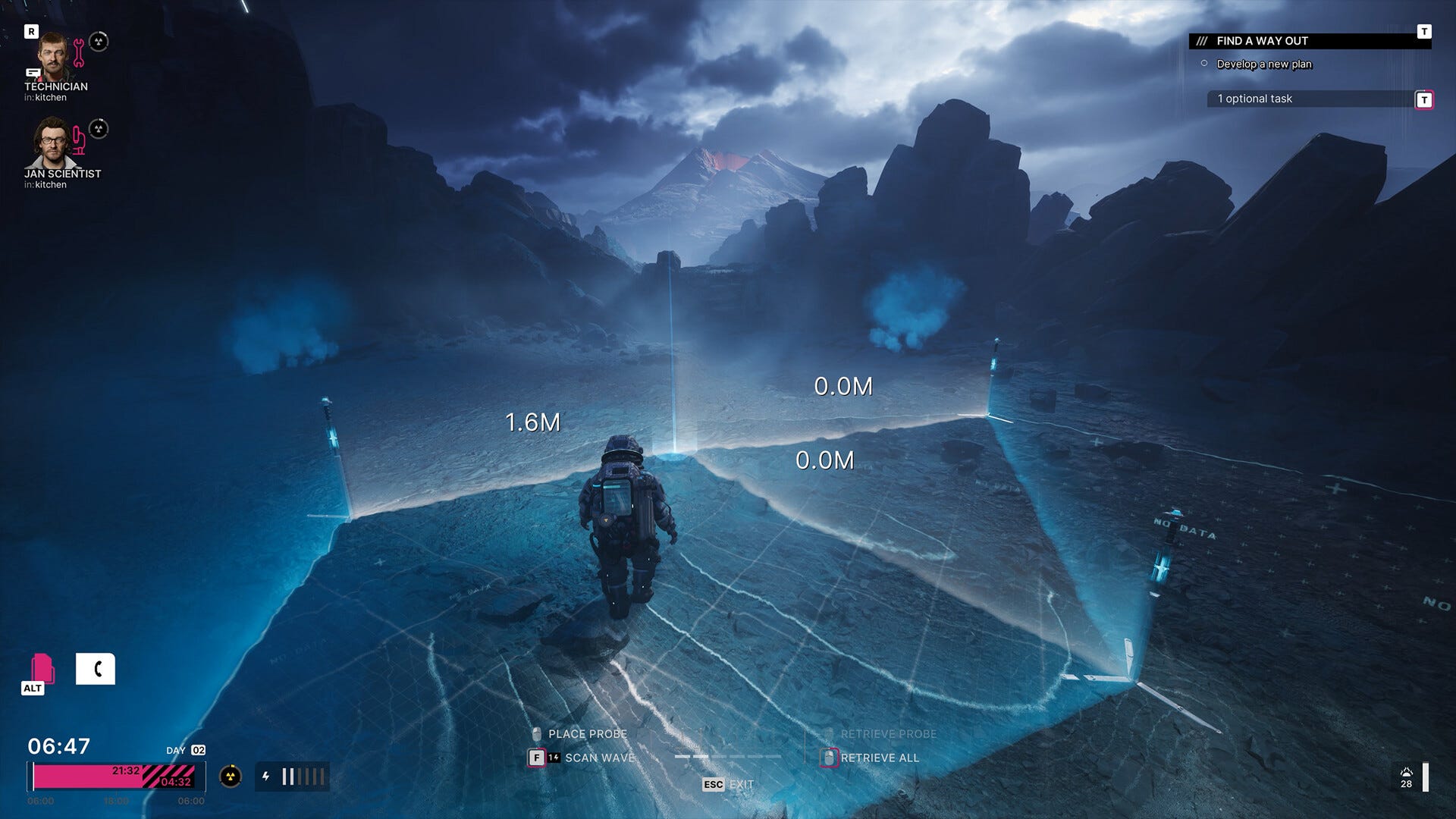
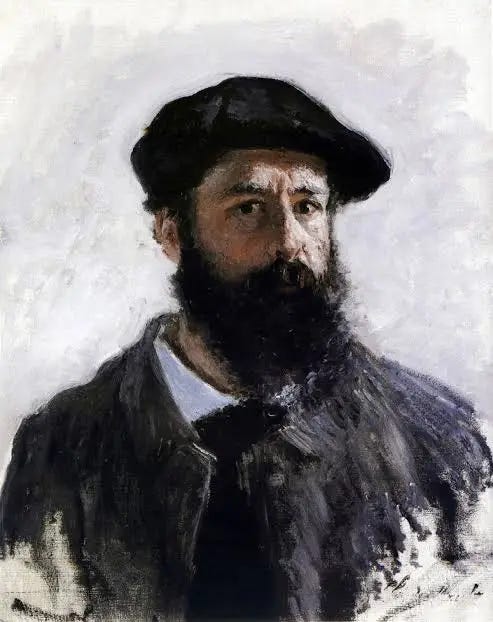
There was something almost Impressionist about the graphics, too. Not in the simple sense of “it looks like Monet,” but in the way its images feel fresh hyperreal, soft and unstable, as in a neo-imporessionism with a sci-fi exploration theme. That feels especially funny now, after a real Monet painting recently went viral because people were told it was AI and immediately began explaining why it wasn’t Monet.
That was my first mistake with The Alters too. I thought I understood what I was looking at.
Even the title confused me. I thought it meant altars, as in some strange sci-fi ritual, maybe a game about sacrifices, aliens, and terrible cosmic horror. And to be fair, the game does have that exterior. There is a sheep, which feels impossible not to read as symbolic. There are so many images that feel religious before they feel scientific.
As I continued to play the game started feeling more and more challenging to the point where I wondered if it was possible at all to survive.
It got to the point where I had to search online for to get through a certain phase, and then I saw that the other player had made very different decisions and was now at the same point in time as me, but a completely different set of circumstances.
When I rolled back (because choices compound over time in the game) several days and changed my strategy, it was as though I started playing a completely different game.
I think in the future games will be more and more like this: highly complex and unique to each player. the game is just a set of rules but the story and consequences are forged on the spot, instead of being predetermined.
This is so much more than just multiple endings.
Alters

In the game you create Alters of yourself, with different characteristics, personalities etc as if from an alternative version of the main character.
This is called the Many Worlds Interpretation in physics and is very recurrent in fiction. But only recently did I discover it actually comes from the jewish Talmud and Rabbinic Judaism. The physics version is usually traced to Hugh Everett’s 1957 work, later popularized as “many worlds.”
Rabbinic and Kabbalistic Judaism do have traditions of multiple “worlds,” including the Four Worlds in Kabbalah and midrashic ideas about God creating and destroying worlds before this one.
The scientific POV being so reliant on it actually makes a lot of sense, since so many of the scientists from the quantum era (which is quite a while ago actually) were jewish.
You control and designate your Alters in the game, and you come to know them deeply, each with his idiosyncrasies. And the game comes down at the end to relationships and dealing with other people more than any other typical game mechanic.
That is a reflection on AI, too: humans sometimes reduced to their function, having programmable mappable layers around them, routines, assignments etc.
AI also plays a role, once it is the “quantum computer” that designated the destinations - and potentially an implicit 2001 A Space Odyssey HAL moment.
Now after playing I started to see people in the street as alters and it is as though through this lense I can see more clearly the humanity in them.
The game is very funny at times, too.
So if you play The Alters, pay attention to the details. Notice the UI. Listen to the clicks. Listen to the anomalies. Notice the base, the sun, the sheep, the womb. There are many symbols in the game if you pay close attention. Notice how quickly you start treating people as tools, and how slowly the game teaches you to stop.
The soundtrack, SFX and ambience in general are chefs d’oeuvre. they nailed it with the sound of the anomalies.